

Oil Based Clay
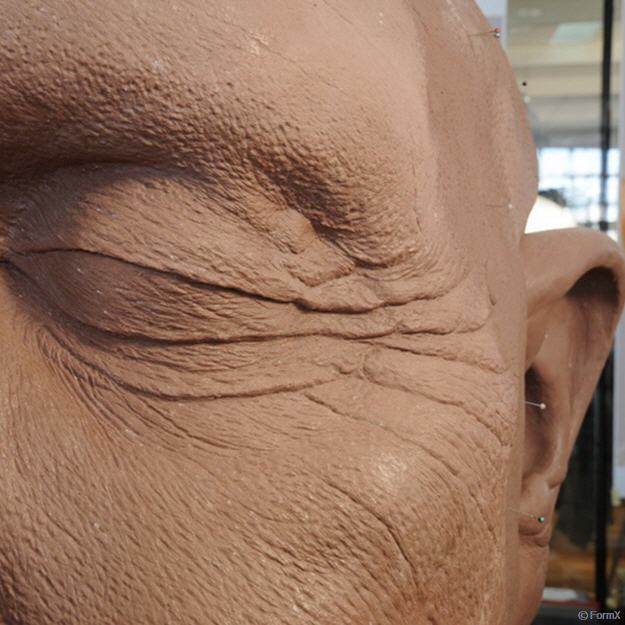
Oil-based clays are made from various combinations of oils, waxes, and clay minerals. Because the oils do not evaporate like water, oil-based clays remain malleable even when left in dry environments for long periods. Articles made from oil-based clays cannot be fired.
Oil-based clays are also suitable for the creation of detailed sculptures from which molds can be made. Castings and reproductions can then be produced from much more durable materials. Cars and airplanes may be created using industrial design-grade modelling clay.
-
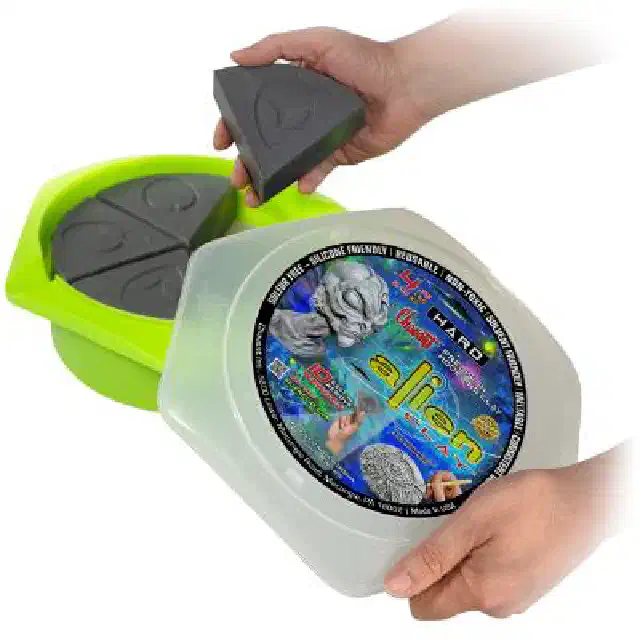
Alien Clay™
Alien Clay - Meltable Alien Clay™ is a meltable and castable, precision sculpting medium, used for a variety of sculpting and fabrication applications. It is one of the most versatile clays available ... more
-
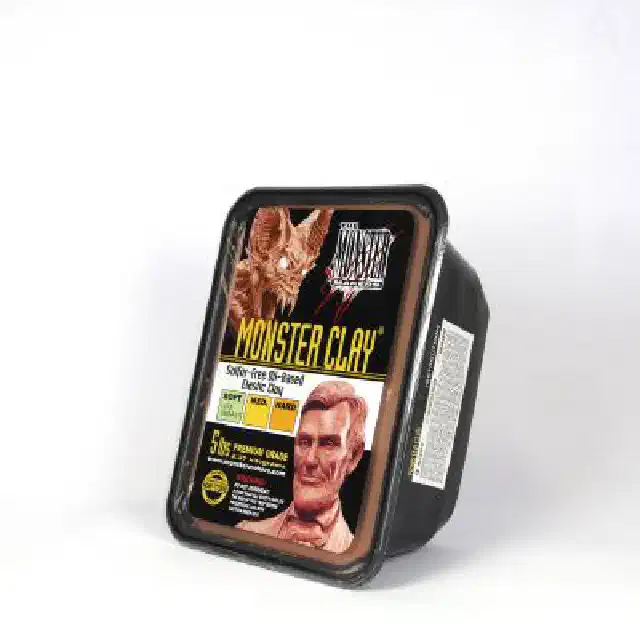
MonsterClay
Premium Grade Modeling Clay is a re-useable sulfur free, professional oil/wax based sculpting medium. Composed entirely of non-toxic, food grade components, Monster Clay® features a low melt temperatu... more
-
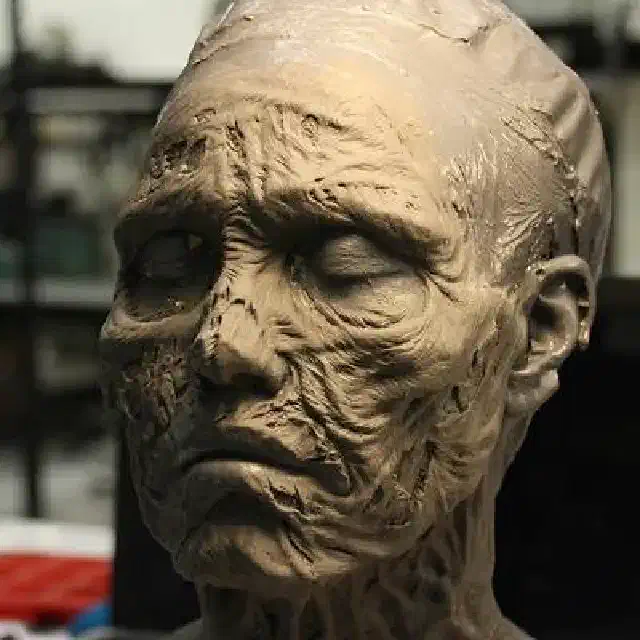
Herbin Plastiline
J. Herbin Plastiline J. Herbin Plastiline is a multi-purpose, non-drying modelling clay available in 5 different grades and two colours, Ivory and Grey. Compatible with all silicone rubbers; both tin-... more
-
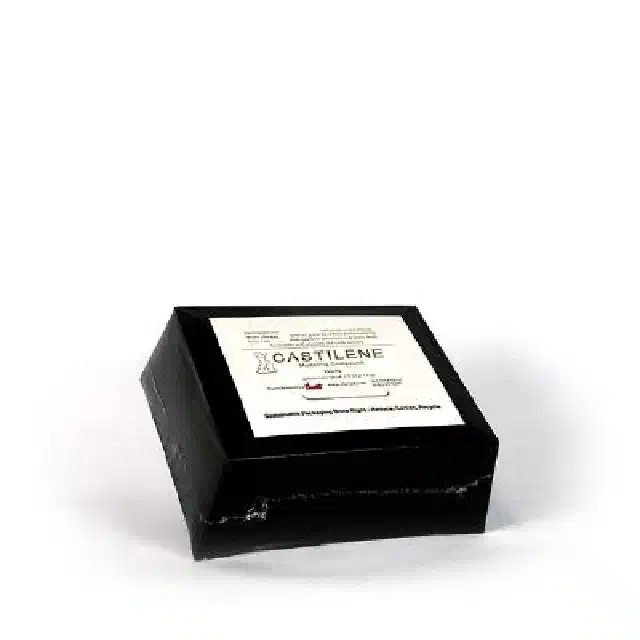
Chavant Castiline
It is available in three consistencies (soft, medium & hard). Easily softened in sunlight, a microwave, under light bulbs or just by the heat of your hands. Castilene models like clay and works li... more
-
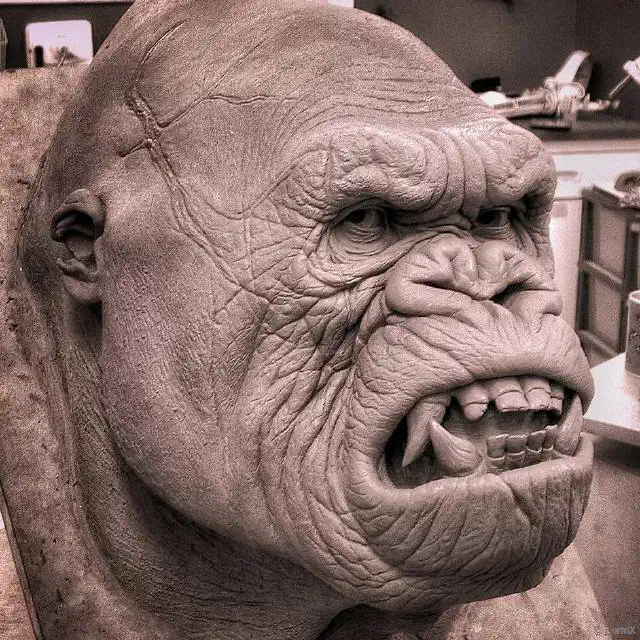
Chavant NSP Plastiline
Modelling Clays Chavant Plastilines are used throughout a variety of industries in many different and unique ways. Chavant clays are oil / wax based, reusable, do not create dust, can be modeled by ha... more
-
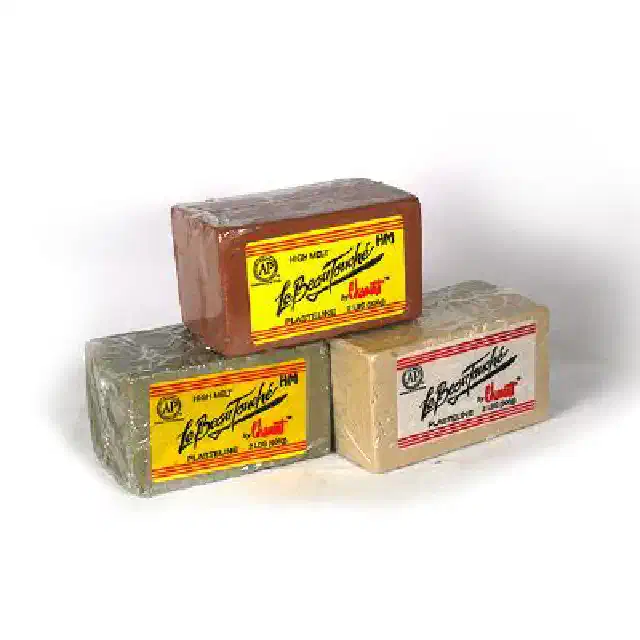
Chavant Le beau Touche
The Le Beau Touché product line is commonly used by artists for the creation of sculpture or to build dams when making splash molds. Both formulas are available in Brown and Gray-Green. Description: L... more
-
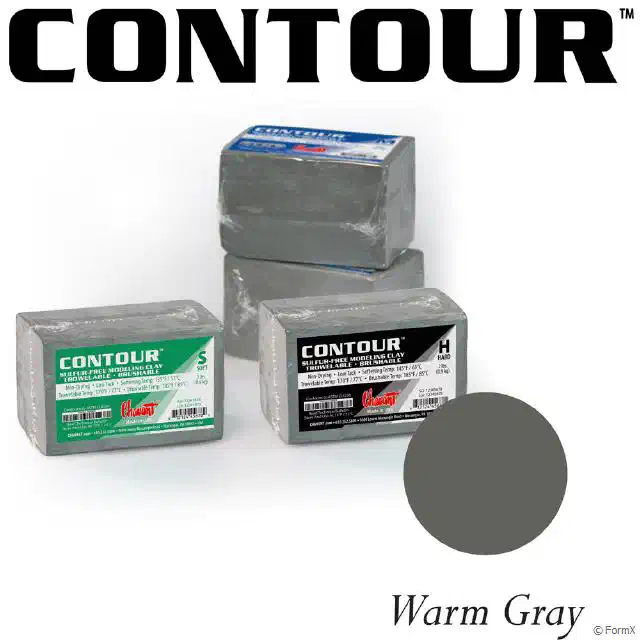
Contour™ Clay
Contour™ Clay (an updated variation of Monu-Melt™ clay) is a precision sculpting medium that shapes, smooths, and carves easily to hold exceptional surface detail. Contour™ clay can be hand sculpted o... more
-
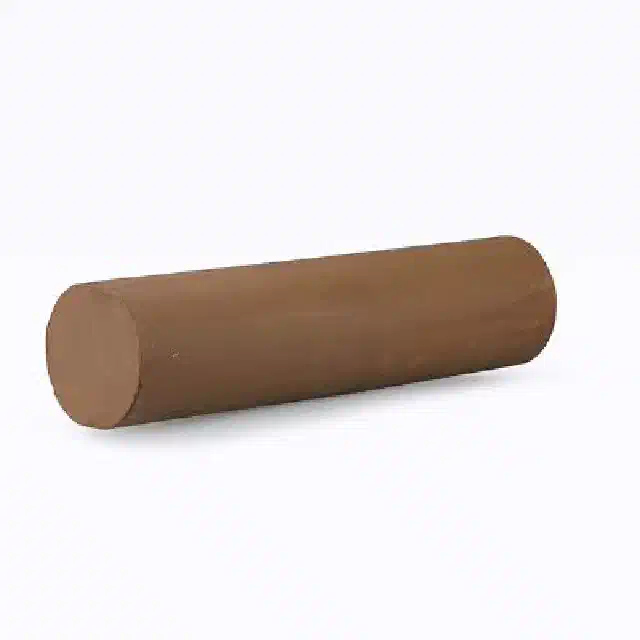
Chavant Y2K
Sulfur-free, low odor, lightweight industrial design clay This dark brown, hard styling clay can be used to create accurate prototypes and patterns. Y2-Klay is workable at 57°C (135°F) and is hard at ... more
-
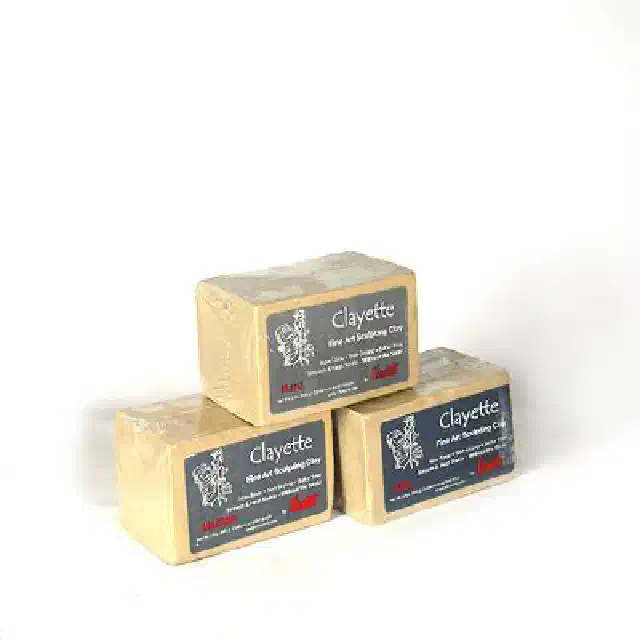
Chavant Clayette
Clayette modeling clay is sulfur-free, nonhardening, odor-free and flexible without being sticky. Clayette will not oxidize and can be left out or heated and cooled repeatedly without any significant ... more
-
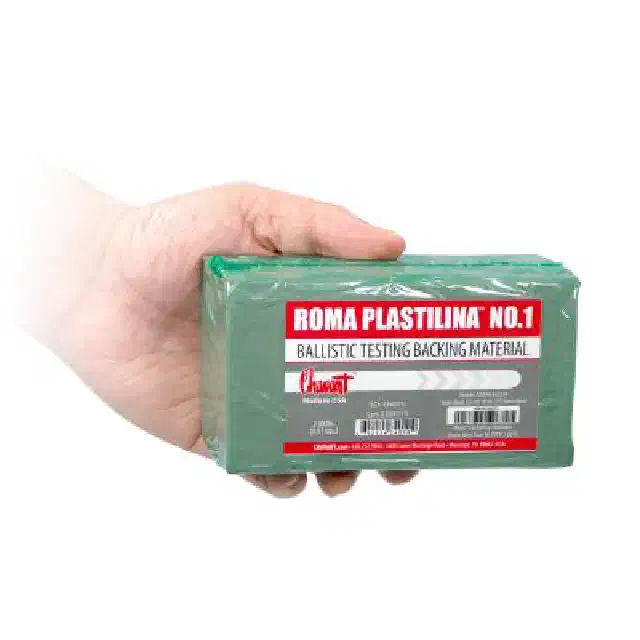
Roma Plastalina
Roma Plastilina from Chavant is a high-quality, non-drying modeling clay known for its smooth texture and excellent workability. It’s often used by artists, sculptors, and animators for creating detai... more
-
Reproducing the model
The finished clay model will have some sort of reproduction mold (rubber, plaster, fiberglass) taken from the clay’s surface. Once the mold is made, a permanent material can be cast out of the mold or the lost wax process can begin to create a bronze. Completed projects that begin as clay models can range from Heroic size bronzes to full size automotive designs, from graphic props to moving monsters and from jewelry design to children’s toys.
Choosing
Various clay projects may require specific characteristics that are often difficult to define. Client’s requirements will occasionally vary from project to project but most importantly a clay body will usually be chosen based on the personal preference of the worker. Questions or alternative characteristics that all sculptors will consider when selecting a clay body may include:
- Simply, what feels right
- what works in a certain climate
- what is best for making molds
- what sticks best to an armature material
- what clay doesn’t smell
- what holds technical detail
- what works best for a loose style
- is the clay hard or soft enough?
Le Beau Touché and Le Beau Touché HM: can be heated to a semi molten state, to brush or trowel, at approximately 185-210 oF, however it will not reach a viscosity suitable to pour.
NSP: can be brushed at 180 oF and poured at 185 oF. When cooled, the clay tends to feel harder than the original but can be kneaded back to a firmness and consistency similar to the original clay. Repeated cycle of melting and cooling will eventually cause irreversible hardening.
Y2 Klay: can be brushed at 180 oF. Flow improves with higher temperature and can be poured at around 195-210 oF; the higher the temperature, the better the flow. However, after the clay cools, the hardness is proportional to the melt temperature. The increase in hardness is irreversible.